In short: Photoshoot planning for musicians comes down to six decisions made before the day: what the pictures are for, a mood board that fixes the look, a location you have permission to use, wardrobe that is tried on in advance, a one-page call sheet, and a ranked shot list. Then a schedule that puts the pictures you must have first, and the experiments after.
This guide is for solo artists, bands and the person in a band who ends up organising everything. It assumes you are working with a photographer, or a friend with a good eye, and that the pictures need to last through a release or two.
It covers the brief, the mood board, choosing and clearing a location, wardrobe and grooming, a call sheet template you can copy, shot priorities, an hour-by-hour schedule, and what to do with the files afterwards. For what the finished pictures should look like and how big the files should be, read our guide to press photos for musicians. This one is about getting there.
What should a musician decide before booking a photoshoot?
Decide what the pictures are for, who will see them first, and which three uses matter most. A shoot for a single's artwork, a shoot for the press kit and a shoot for a tour poster need different frames, even when they happen on the same afternoon.
Write the answers down in a short brief. A brief of half a page is enough, and it saves the most expensive kind of mistake: arriving with a photographer, five people and a location, and discovering that two of you imagined a different result.
- Purpose. Release artwork, press photos, a website header, social posts, merch, a poster. Rank them. The top one decides the shape of the main frame.
- Audience. A journalist, a venue booker, a listener scrolling a feed. Each reads a picture differently. A booker wants to see who is on stage and how they carry themselves. A listener wants a mood.
- Tone. Three adjectives at most, and one example of a released photo you like, so that the photographer has something concrete to look at instead of a word like "raw".
- Who is in the pictures. Everyone in the band, or the singer alone? Will you shoot individual portraits as well as group frames? Who has the final say if the band disagrees?
- Where the pictures will be used. Printed, on a screen, on a stage backdrop, on a website, on a streaming profile. Each has a shape, and the platforms set some of those shapes for you.
- What you will do with the pictures afterwards. Who owns them, what you may do with them, and whether the photographer may use them in a portfolio. Agree this in writing before the day.
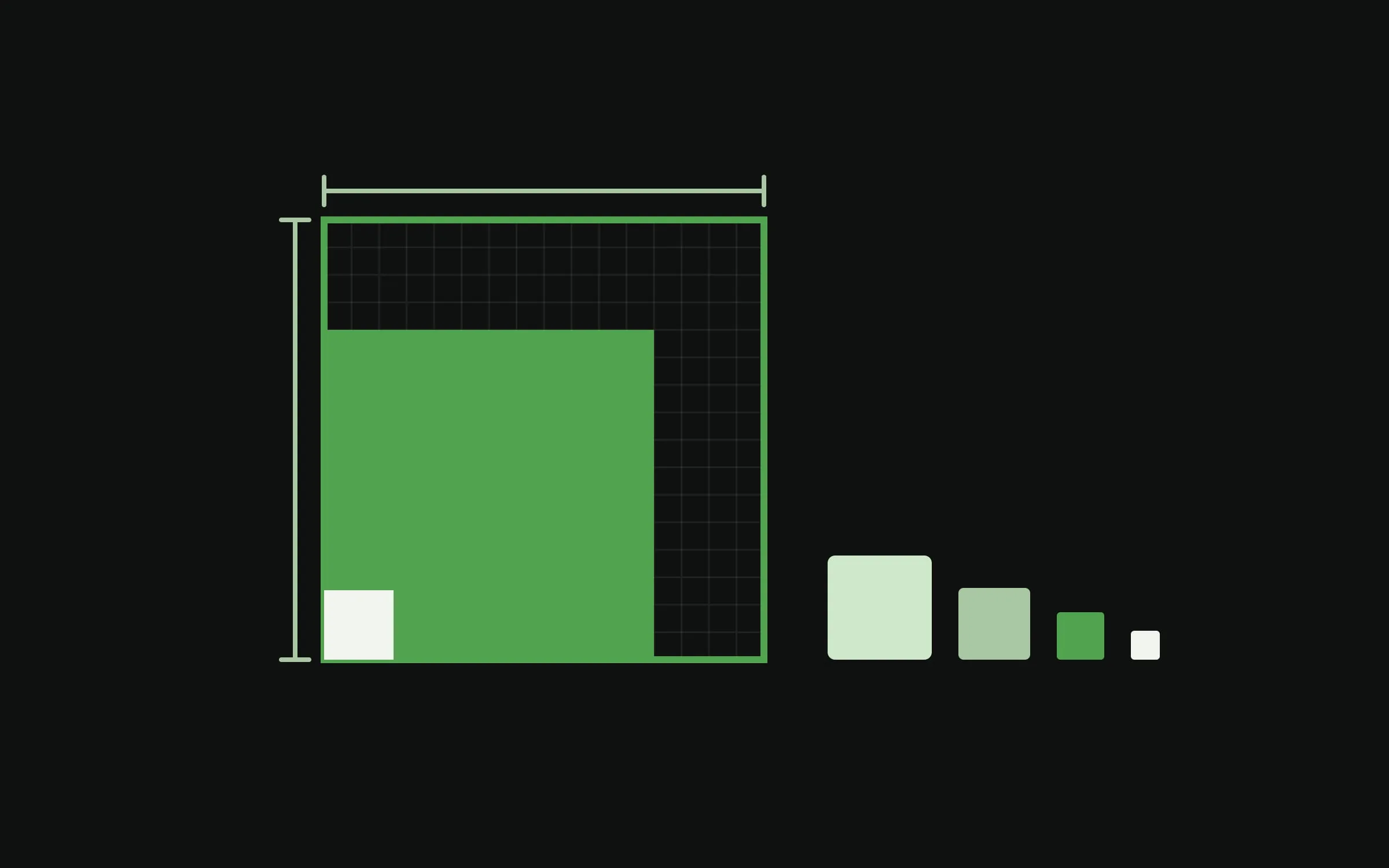
The platform shapes are worth looking up now, because they decide how much empty space the photographer leaves around you. At the time of writing (November 2026), Spotify for Artists asks for an avatar of at least 750 x 750 pixels and a header image of at least 2660 x 1140 pixels, and says images must not contain text, advertising or busy backgrounds. Apple Music for Artists prefers 2400 x 2400 pixels or more, accepts 800 x 800 pixels as a minimum, and rejects borders, typography, marketing copy and misaligned or rotated images. A wide header and a tall square crop come from the same shoot only if somebody planned for both.
How do you build a mood board that a photographer can use?
Collect 12 to 20 images, sort them into three or four groups, and write one line under each group saying what you are taking from it. A mood board is a way of agreeing on a look in advance, not a collection of pictures you like.
Most mood boards fail because they mix everything: a poster you like, a colour you saw on a street, a stage shot from a festival. The photographer then has to guess which part you meant. Separate the ideas.
- Light. Pictures where the light is what you like: hard sun, soft window light, a single bulb at night, neon, haze. Note whether it is warm or cool and whether the shadows are deep or gentle.
- Colour. Three to five colours you want to see in the frame, taken from real pictures, not from a paint chart. Include the colours you want to avoid.
- Pose and framing. How the people stand and how close the camera is. Wide with a lot of space, tight on the face, a figure in the corner, a group in a line.
- Place. The kind of location: a rooftop, a courtyard, a corridor, a workshop, an empty hall, a market after closing.
- Wardrobe and styling. The fabrics, shapes and levels of dressing up, from everyday to costume.
Keep the board in a shared folder or a single slide per group, and put the photographer's own earlier work next to it, so that you are asking for something they can actually do. A photographer who shoots clean daylight portraits will not give you a smoky club look on the day simply because you brought a reference.
Add a "not this" group. Two or three pictures of what you do not want are as useful as ten of what you do. It is quick to show, and it stops the conversation about taste from becoming personal.
How do you keep a band on one look?
Ask each member to add five images to a shared folder on their own, with no discussion. Then meet once, put all of them on a screen and mark the ones that more than one person picked. The overlap is your look. Anything only one person chose goes into the "maybe" pile. This is faster than a group chat and does not let the loudest person decide.
How do you choose a location for a musician's photoshoot?
Choose a location by the light, the privacy and the distance, in that order. A plain wall with good light and no crowd will give you better pictures than a famous place with hard noon sun and strangers walking through the frame.
Visit it at the hour you plan to shoot, not on a free afternoon. A courtyard that is shaded at ten in the morning can be glaring by noon. Take your phone and photograph the spot from where you will stand, in every direction, so that the photographer can plan without being there.
| Type of location | Works well for | Watch out for |
|---|---|---|
| Your own rehearsal room or home | Relaxed group frames, behind the scenes, details | Clutter, mixed light colours from different bulbs, no space for the photographer to step back |
| A rooftop or terrace | Open sky, silhouettes, evening and early morning light | Wind, access and safety near edges, neighbours, the time the light changes |
| A street or lane | Texture, signage, movement, a sense of the city | Traffic, onlookers, shops that object, police or security asking what you are doing |
| A heritage site or garden | Strong backdrops and shade | Written permission rules, restrictions on tripods and lights, crowds on weekends |
| A hired studio or empty hall | Controlled light, any weather, a plain backdrop for artwork | Hourly booking, load-in time, what the hall allows you to bring in |
| A gig venue in the afternoon | Stage and instrument frames in the place you play | Getting access outside opening hours, working lights being switched on, staff schedules |
Do you need permission to shoot at a location?
Yes, whenever the place is not yours, and in writing where you can. Private places need the owner's or manager's agreement. Public places and public bodies' land often have their own rules about professional shoots, even when ordinary visitors can take photographs freely.
Those rules differ from one place to the next and they change, so ask the managing body directly and keep their reply. As an example, The News Minute reported in April 2018 that Karnataka's horticulture department had stopped professional photo shoots in Lalbagh and Cubbon Park, citing safety around bees and camera flashes, while ordinary visitors could still photograph with phones and cameras with low-intensity flashes. That was a report from 2018, and we cannot say what applies today. The point for you is that a famous green space can be off limits to a planned shoot, so find out first.
Protected heritage monuments and some museums also have their own rules for tripods, professional videography and commercial work. Ask the site office, or the body that looks after the site, what applies, and ask in writing at least a few weeks ahead. Some places take time to reply.
- Ask these questions: Is a shoot with a tripod and a small crew allowed? Is there a fee or a deposit? Which hours? Are lights, reflectors or power allowed? Can we bring a vehicle in? Is there a contact on the day?
- Get it in writing. An email reply with a name, a date and the conditions is enough for a small shoot. Print it, or keep it where you can show it on your phone.
- Roads and railways. If you block a pavement, set up on a road, or use a railway station, you may need permission from the police or the railway. Pick a different place for a small shoot.
- Drones. A drone has its own rules in India, and they involve airspace zones. Leave it out unless a licensed operator is on the team and has checked the current rules.
A shoot inside a shop, a cafe or a workshop is the easiest to arrange: ask the owner, offer to shoot before opening, tell them what you will bring and offer to give them a few of the pictures. Make sure they say yes before you tell the band it is confirmed.
What about people in the background?
Shoot early, shoot on a quiet day, or choose a place with few people. If strangers are recognisable in a picture you plan to use commercially, the safest choice is to retake it or crop them out. A picture with a clean background also ages better than one with a passing crowd.
How do you plan wardrobe for a band photoshoot?
Pick outfits a week before, try them on, and photograph them on your phone. Clothes that looked right in a wardrobe often look different in a picture, and the day of the shoot is the wrong time to find out.
Wardrobe is the part of a shoot musicians underestimate most. It is also the easiest to fix in advance.
- Bring options. Two or three complete outfits per person, including shoes. The photographer can then choose what works against the location.
- Think in a group. Members do not need to match. They need to belong together. Share a palette, or a level of dressing up, or one repeated element, such as dark trousers or a single accent colour.
- Avoid loud logos and busy prints. They date the picture, draw the eye away from the face, and can cause trouble if you later want to use the picture on a poster or a streaming profile. Spotify rejects text and advertising on artist images, and Apple rejects typography, marketing copy and third-party logos.
- Check fabrics. Fine stripes and tight checks can shimmer in a photograph. Very shiny fabric reflects the light in awkward places. White can lose detail in strong sun.
- Fit and movement. If you will sit, jump, lean on a wall or hold an instrument, try the clothes doing that. A jacket that rides up over a guitar strap shows in every frame.
- Weather. In the rains, sun can turn to showers within the hour. Plan for a layer, and for how a wet or sweaty fabric looks.
- Iron or steam everything and bring a lint roller, safety pins and tape. Creases show in photographs more than they do in a mirror.
Hair, grooming and instruments
Book a haircut a few days before, not on the morning. Bring what you need to fix hair and skin during the day: a comb, a small mirror, tissues, oil-blotting paper, lip balm and water. If you want a makeup artist or stylist, tell the photographer, because it changes the schedule.
If instruments are in the pictures, clean them, restring guitars the day before, and tune them. Bring spare strings, cables, sticks and picks. A scratched or dusty instrument is visible in a close shot, and a broken string halfway through the afternoon costs you half an hour.
What goes on a call sheet for a photoshoot?
A call sheet is a one-page schedule that tells everyone where to be, when, and who to call. It lists the address, the call time for each person, the order of set-ups, contact numbers, and anything people should bring. Send it two days ahead and again the evening before.
Copy the template below, replace the text in square brackets, and send it as a message that people can open on a phone. Keep it to one page.
PHOTOSHOOT CALL SHEET
Project:        [Band or artist name, e.g. "Press photos, autumn release"]
Date:           [Day, date]
Weather:        [Forecast, checked the evening before]
Sunrise/sunset: [Look up for the day]

LOCATION
Address:        [Full address]
Map link:       [Link]
Parking/entry:  [Where to park, which gate]
Contact there:  [Name, phone]
Permission:     [Name of the person who agreed, date, "see email"]

CONTACTS
Photographer:   [Name, phone]
Artist lead:    [Name, phone, the person who decides on the day]
Stylist/MUA:    [Name, phone, if any]
Nearest chemist/hospital: [Name, phone]

CALL TIMES
[08:00]  Photographer and assistant: set up, test light
[08:30]  Band: arrive, hair and grooming
[09:15]  Set-up 1: [description]
[10:30]  Set-up 2: [description]
[12:00]  Lunch break (30 minutes)
[12:30]  Set-up 3: [description]
[14:30]  Wrap, check the files, pack up

WARDROBE AND BRING
[Name]: outfit A, outfit B, shoes, [instrument]
[Name]: outfit A, outfit B, shoes, [instrument]
All: water, snacks, charger, a copy of the mood board, ID

MUST-HAVE SHOTS (see shot list)
1. [Main group frame, wide and tight]
2. [Individual portraits for press]
3. [Image with room for text, for the poster]

NOTES
[Rain plan, parking rule, no flash, quiet hours, who signs off the selects]
Two details matter more than they look. The first is a named person on the artist side who makes decisions, so that the photographer does not have to wait for a group to agree. The second is the rain plan: a covered area, or a second date that you have already held with the photographer.
Which shots should you prioritise on the day?
Shoot the pictures you must have first, while everyone is fresh, and leave the experiments for the end. A realistic shoot gets fewer set-ups done than the plan says, and the tired part of the day is the wrong time to capture the most important frame.
Rank the shot list in three tiers, and write the tier next to each line.
| Tier | What it covers | Example frames |
|---|---|---|
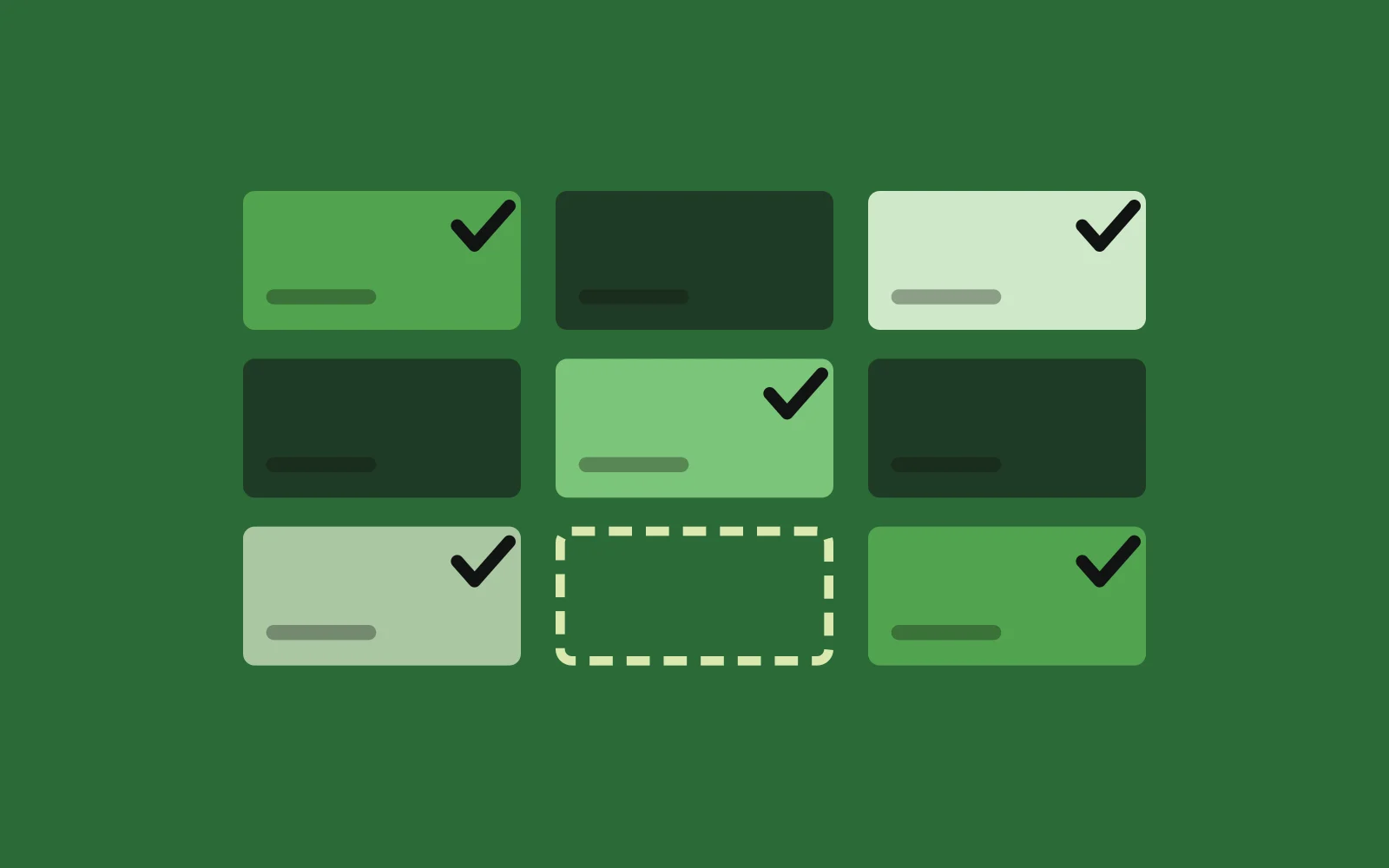
| Must have | The pictures you cannot release without | One group frame, wide and tight; a head and shoulders portrait of each member; one picture with empty space for a headline or a date |
| Should have | Pictures that give you range for the next few months | A portrait in a second outfit; a candid frame; a vertical crop for stories; a wide frame for a website header; a picture with the instruments |
| Nice to have | Ideas that might not work | Motion shots, a dramatic location, props, a concept for a future release |
Think about shape while you list the shots. A square avatar crop needs the face placed with room around it. A wide header needs the subject off to one side with empty space. A vertical frame for a story needs headroom at the top and bottom, which the apps will cover with their own buttons. The photographer can leave this room if you tell them in advance, and nobody can add it afterwards without making up pixels.
If one of the pictures might become release artwork, say so before the day. Cover art has its own requirements, including no dates, URLs or logos in some stores. Our guide to album cover size lists the specs, and it will tell you how much space around the subject you need for the square crop.
How many people should be on set?
Keep it small: the band, the photographer, an assistant if there is one, and whoever is doing styling. Friends and partners are welcome in a break and a distraction in a take. A crowd makes people self-conscious, and shy members tend to freeze when there are spectators.
What does a good schedule for the day look like?
Start with the hour of the best light, put the group frames first, and give every set-up a fixed time and a buffer. A half-day shoot with three set-ups is a sensible size for a first professional shoot. A full day wears people out.
| Time | What happens | Why then |
|---|---|---|
| Arrival, 45 minutes | Photographer sets up and tests the light while the band arrives, eats something, dresses and is groomed | The best light is never wasted on waiting for people |
| Set-up 1, 60 to 90 minutes | Group frames in the main outfit, wide first and then closer | People are fresh, hair and clothes are at their best, and the light is at its strongest |
| Set-up 2, 60 minutes | Individual portraits, which also warm the shy members up | You have the group frames, so there is no pressure |
| Break, 30 minutes | Food, water, a look at the back of the camera or a laptop | It lets the photographer check the frames and adjust |
| Set-up 3, 60 minutes | Second outfit or location, details, instruments, the "should have" list | The must-have pictures are done, so you can try something new |
| Last 30 minutes | Anything you missed, candid frames, one idea that is a risk | Relaxed people often give the pictures you end up using |
Build in a delay. Rain, a late arrival or a security guard asking questions will take half an hour from somewhere, and a schedule with no spare time loses it from the end, where your experiments live.
Eat before you start, and drink water. Nobody photographs well while hungry, and the group's mood is visible in the pictures.
How do you get natural expressions from a band?
Give people something to do. Walk, talk to each other, play a few bars, laugh about something, adjust a strap. Stillness in front of a camera makes most people stiff, and a movement gives them something to think about. Ask the photographer to call out simple directions, such as "look at each other" or "walk towards me", instead of "relax", which tends to make things worse.
Who owns the photographs, and what should be agreed in writing?
The person who takes a photograph is normally its author, and copyright in it arises automatically without registration. What you may do with the pictures depends on what you and the photographer agree. Put it in a short written agreement before the day. This is general information, not legal advice; for a contract, speak to a lawyer.
The copyright FAQ on IP India's website states that acquisition of copyright is automatic and needs no formality, and lists photographs among the artistic works the Act protects. It does not say who owns a particular commissioned shoot, so settle that in your own agreement and do not assume.
- Use. Where may you use the pictures: press, social media, streaming profiles, posters, merch, a website, paid advertising? For how long?
- Credit. How the photographer is credited and where. Press photos usually carry a credit line, and you should put it in the file's caption.
- Edits. Whether you may crop, retouch or add text, and whether the photographer retouches the selected frames.
- The photographer's own use. Portfolio, their website, their social media. Many photographers expect this, and most musicians are happy to allow it.
- Deliverables and timing. How many edited pictures, in which sizes, by which date. Whether you receive the unedited files.
- People in the pictures. Every band member agrees to the use of their image. If someone leaves the band, what happens to the pictures?
- Cancellation and rain. What happens if the date moves, and who bears the cost.
The cost of a shoot depends on the photographer's time, the number of set-ups, location fees, styling and how much editing you want. We have left out figures here because they vary between photographers and cities. Ask for a written quote that lists what is included.
What should you do after the shoot?
Back up the files the same day, choose your favourites within a week, and keep a record of which picture is for which use. A shoot that sits unsorted in a folder is wasted: the photographer's memory of the day fades and so does yours.
- Back up. Copy the files to a second drive or a cloud folder before anyone leaves the venue if possible.
- Select. Choose, with the photographer, the frames to edit. Look at them large, not on a phone, and check faces and hands in group frames. One closed eye or one turned head can rule out an otherwise good picture.
- Edit consistently. The edited set should look like a family: the same colour treatment, the same level of retouching.
- Export for each use. Make the square avatar crop, the wide header, the vertical story version and a high-resolution file for print. Our press photo guide covers sizes and file names.
- Write captions and credits. Names, left to right, the photographer's credit and the year.
- Update your profiles. Streaming profiles, your website, your electronic press kit, your social accounts and any venue pages that show your picture.
- Plan the rollout. The pictures should support a release. Our release plan guide shows where each type of picture gets used in the weeks around a launch.
Hold back some frames. Do not publish every good picture on day one. A shoot of 40 selected pictures can supply a release campaign for months if you release them gradually.
What are the most common photoshoot mistakes?
Most problems come from the same short list: no brief, a location nobody cleared, clothes nobody tried on, too many set-ups and no ranking of the shots. Each of them is easy to avoid with the steps above.
- No brief. The photographer guesses, and you discover the mismatch on the day.
- A mood board with no sorting. Twenty pictures and no explanation.
- An uncleared location. Being asked to leave after the first set-up is the usual result.
- Noon light. Hard overhead sun in the middle of the day gives dark eye sockets and squinting. Shoot earlier, later, or in open shade.
- Everything on one outfit. You end up with 200 pictures that look the same.
- No empty space. Every frame is tight, and there is no room for a headline, a date or a platform's crop.
- Too many people. The shoot becomes a party.
- No decision-maker. The band argues about each frame.
- Skipping the written agreement. Arguments about use start six months later, when a picture ends up somewhere nobody expected.
- Waiting. Weeks pass before anyone selects pictures, and the release date arrives with nothing ready.
Questions people ask
How long does a photoshoot for a band take?
A half day of three to four hours suits most press shoots with one location and two outfits. Add time for travel, hair and makeup if you have them, and a break for food. A full day suits a larger project with several locations. Shorter shoots can work for a single portrait, but groups need warm-up time.
How many outfits should a musician bring to a shoot?
Bring two or three complete outfits, including shoes, so the photographer can choose what suits the location and you get variety from one day. Test them beforehand. A change of outfit needs a place to change, so count that time in the schedule, and keep the second look quite different from the first.
What time of day is best for a photoshoot?
The first and last hours of daylight give softer, warmer, more directional light than midday. Check sunrise and sunset times for your date, since they change through the year. Indoors, a large window works at most times, and open shade outdoors works when the sun is high. Rain and cloud suit moody pictures.
Do I need permission to take photos in a public place?
Many public places are free for ordinary photography but have rules for planned, professional or commercial shoots, and those rules differ by place and change over time. Ask the managing body, whether that is a park, a heritage site, a station or a mall, and get the answer in writing. Private premises always need the owner's consent.
Who should own the photos from a band photoshoot?
That is for you and the photographer to agree. The photographer normally holds the copyright in a photograph as its author, and what you may do with the pictures is set by your agreement. Write down use, credit, edits and duration. This is general information, not legal advice; speak to a lawyer for a contract.
How many photos should I get from a shoot?
Ask for a number of edited final pictures instead of a number of shots taken. A professional will take hundreds of frames, then select and retouch a smaller set. For a band, twenty to forty finished pictures covering group, portrait, detail and wide frames is a useful target, and it can last through a release cycle.
How do I find a photographer for a band shoot?
Look at the portfolios of photographers whose pictures match your mood board, and ask for work that looks like what you want, not just their best pictures. Ask what is included, how many edited pictures you receive, who owns what and how they work with groups. Meet or call before booking.
Jayde Records takes photography commissions: press pictures and portraits, live sets, products and behind the scenes, and we photographed and filmed the night with the band scyrn, which you can see in the case study. If you want help turning a brief into a shoot, send us a message and we will reply within 24 hours.